
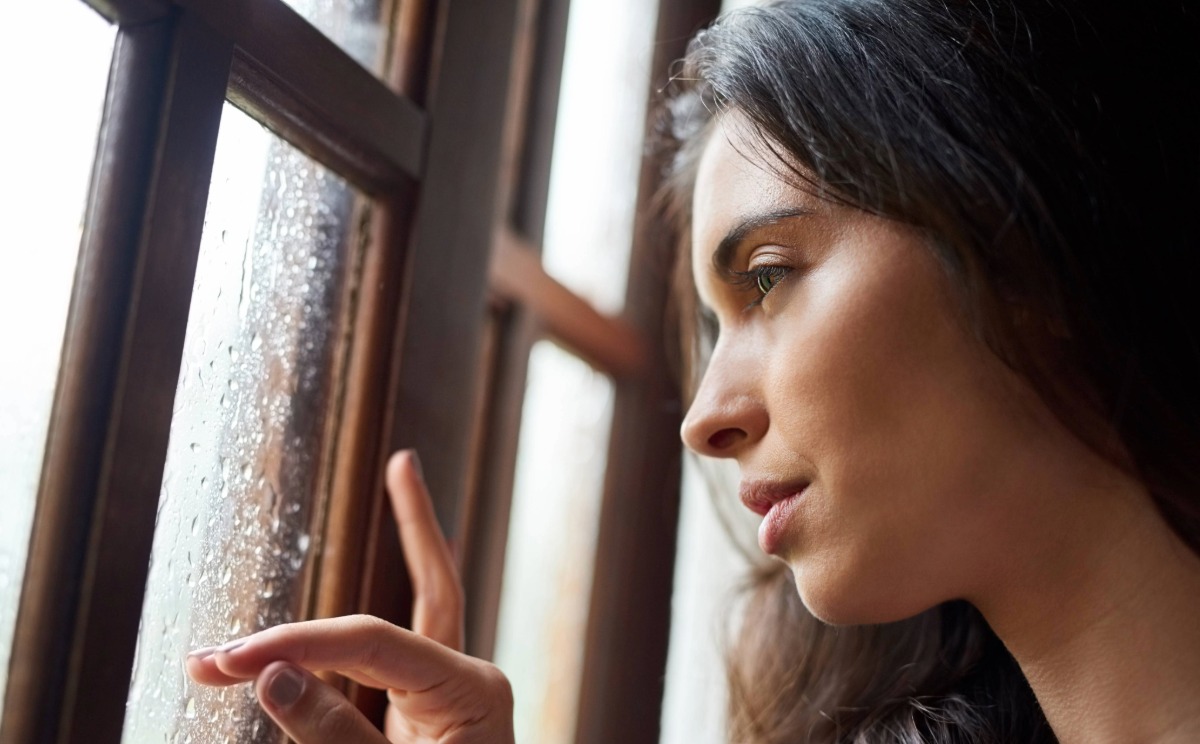
Ohio is known for being gloomy during the fall and winter seasons, but if you experience significant changes in mood when the seasons change, you may have seasonal affective disorder. Here’s a closer look at what this condition involves and how you can manage it.
What is Seasonal Affective Disorder?
According to the Mayo Clinic, seasonal affective disorder (SAD), also called seasonal depression, is a form of depression caused by a reaction to the changing of seasons. SAD typically affects people during the fall and winter when the days get dark earlier and the weather gets colder.
SAD is often confused with the winter blues, which is a milder version of SAD that’s often connected to lifestyle factors like insufficient physical activity. Unlike the winter blues, SAD is a true mood disorder that results in a consistent and lasting state of depression during specific times of the year.
SAD can also be triggered by the onset of sunnier weather. This variation of SAD is often called summer depression.
Signs & Symptoms of Seasonal Affective Disorder
Symptoms of SAD are usually similar to symptoms of general depression, but they only occur during certain months. If you have typical SAD, you’ll notice symptoms beginning in late fall and lasting throughout the winter.
Some common SAD symptoms include:
- Feeling sad or hopeless for most of the day
- Losing interest in activities and hobbies
- Having difficulty concentrating
- Feeling extremely fatigued
- Experiencing increased anxiety
People with the typical fall/winter pattern SAD will usually experience more specific symptoms, including:
- Overeating
- Oversleeping
- Craving high-carbohydrate foods
- Withdrawing from social situations
People with summer SAD often experience one or more general SAD symptoms, but they can also experience additional symptoms like:
- Losing appetite
- Sleeping too little (insomnia)
- Feeling agitated and restless
Coping with Seasonal Affective Disorder in Northeast Ohio
There are many ways to manage the effects of seasonal depression. Generally, experts will advise making lifestyle changes like spending more time outside. The exact methods you use will vary depending on whether you experience SAD during the winter or the summer.
Coping with Fall & Winter Onset of Seasonal Affective Disorder
Ways of treating seasonal depression in winter include:
Maximizing Natural Light Exposure
One common way of dealing with winter and fall onset of SAD is to spend more time outdoors to get more natural light. This is important even on overcast or gloomy days, as being outside can help regulate your body and mind. What’s most important is that you don’t spend all day inside — especially in a dark room.
Light Therapy
Fall/winter SAD treatment usually consists of increased exposure to natural light. Since winter days are darker and typically more overcast, getting additional light exposure can help combat SAD. There are special SAD therapy lamps and light boxes that are designed to provide optimal levels of light, and these help improve SAD symptoms for many people.
Vitamin D Supplements
Your doctor might recommend Vitamin D supplements to help counteract the effects of SAD. Since Vitamin D is harder to get in the winter, supplements can help make up the difference. Supplements vary in effectiveness from person to person, and they’re not right for everyone, so make sure to talk to your provider before starting a supplement routine.
Talk Therapy
If your SAD is extremely severe — or if you experience other mental health issues alongside SAD – it could be a good idea to pursue therapy. You can then work with both your primary care doctor and therapist to develop a multifaceted treatment plan.
Coping with Spring & Summer Onset of Seasonal Affective Disorder
Here are a few methods of treating summer depression:
Practice Good Sleep Hygiene
Since insomnia is a common symptom of summer SAD, it’s important to maintain a good sleep schedule. Limit your screen time before bed, and try to wind down at the same time every night.
Eat a Balanced Diet
Making sure your diet is healthy and balanced will go a long way toward reducing the effects of SAD.
Get Regular Exercise
Working out regularly can also help with summer depression. For best results, many experts recommend getting at least 30 minutes of activity every day.
Finding Hope: You Don’t Have to Feel This Way Forever
SAD can feel inescapable, but that couldn’t be further from the truth. Seasonal depression can absolutely be managed with the right approach. Working with the right clinical service providers will help you determine which treatment methods are best for you so you can get back to feeling like yourself again.
Take the First Step Toward Feeling Like Yourself Again
SAD can be tricky to diagnose — especially if you’re experiencing other symptoms alongside the typical effects of SAD. Our experts can help you figure out exactly what you’re dealing with and will work with you to develop a personalized level of care to meet your needs. Make an appointment at your nearest Coleman location to get started!